Why Every Plate Matters, Reflections on Chefs’ Manifesto London Action Hub 2026
It is hard to imagine a setting more fitting for the annual Chef’s Manifesto Action Hub than OmVed Gardens in North London. Its growing spaces are abundant, greenhouses teem with life, and barns hum with conversation and cooking. It is considered and dynamic in equal measure. The site reveals itself slowly, only to those purposefully visiting - or to those who happen to pursue an unremarkable side street that peels off HighGate’s main thoroughfare.
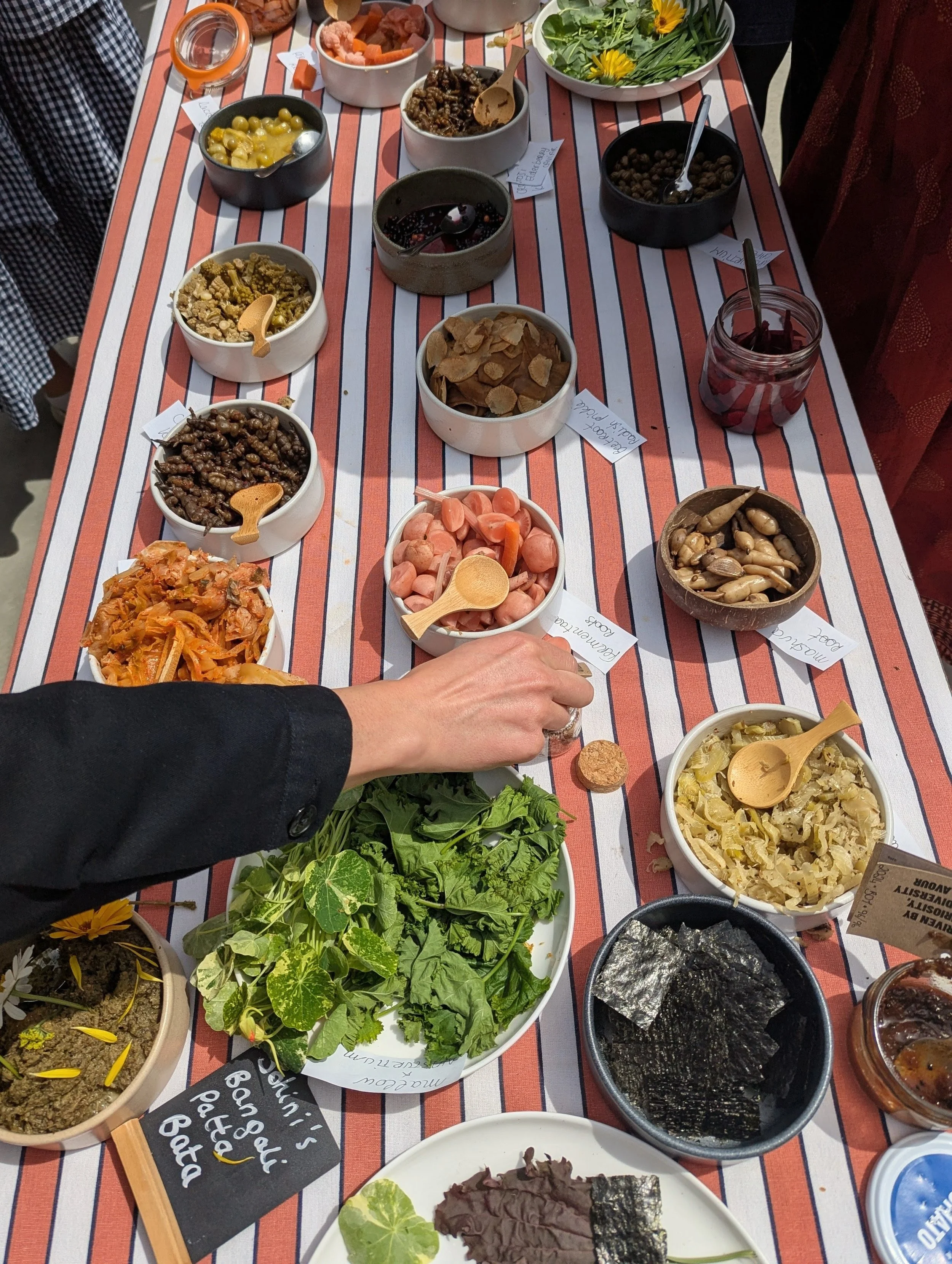
Before you reach the main barn, which functions as a multipurpose event space and houses the kitchen, you are greeted by the Seed Library, which is home to a range of heritage varieties and the stories that travel with them. The library preserves agricultural biodiversity, protects local food security and ensures that diverse, locally adapted seeds remain in the public domain. But it also protects something less tangible too: knowledge. Every seed shared is an invitation to grow, save and pass something on.
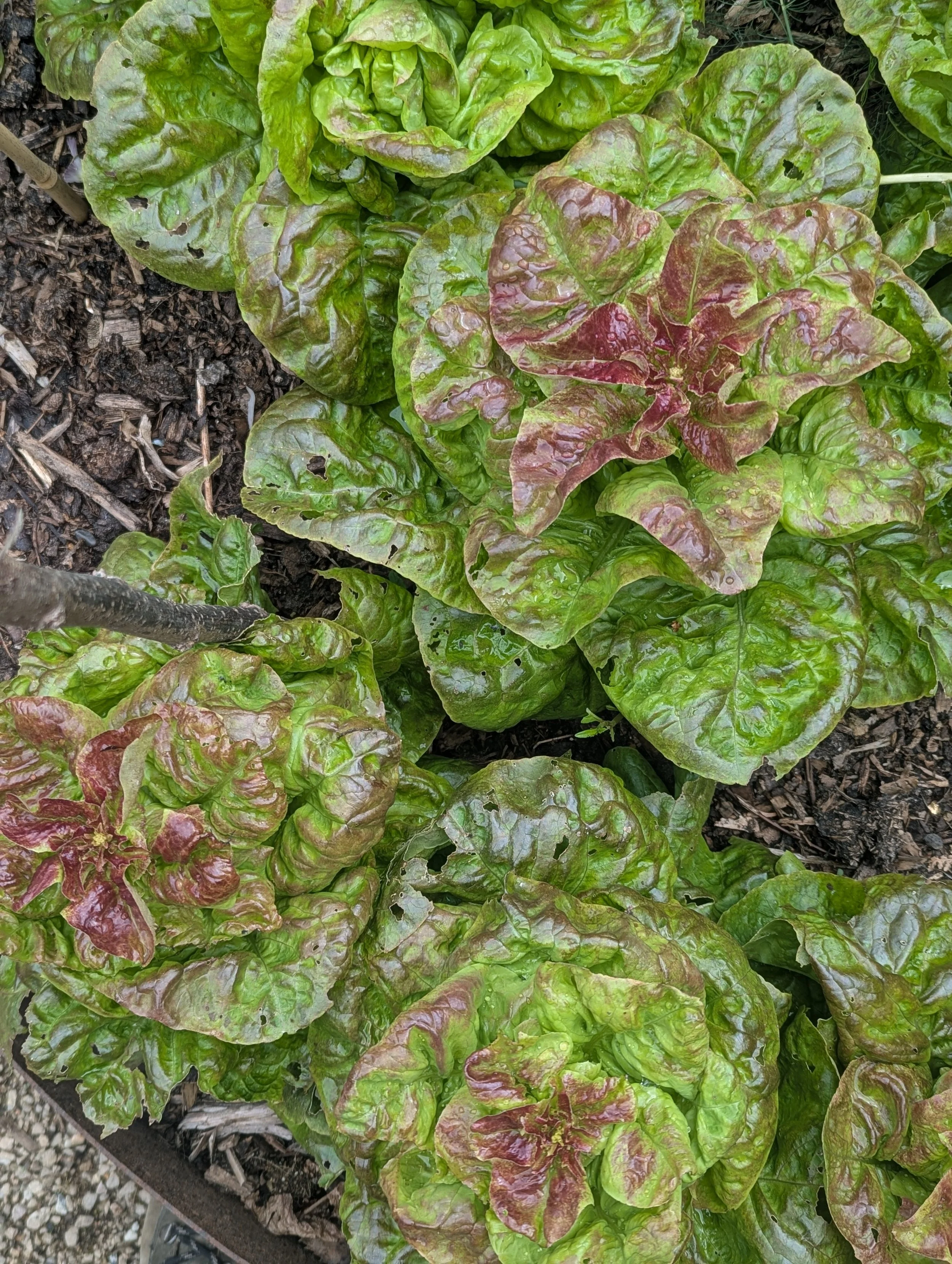
I know this first-hand. Earlier this year I borrowed seeds for a white-striped Lungo Bianco courgette. Now, the first fruits are beginning to emerge. It is a small but poignant reminder that change rarely arrives fully formed. More often, it begins discreetly, with patience, care and the confidence to nurture something whose value may not yet be visible. Food systems are often talked about at a global scale, but they begin with small, practical acts repeated over time. Material change can be made with consistent effort that amplifies and compounds.
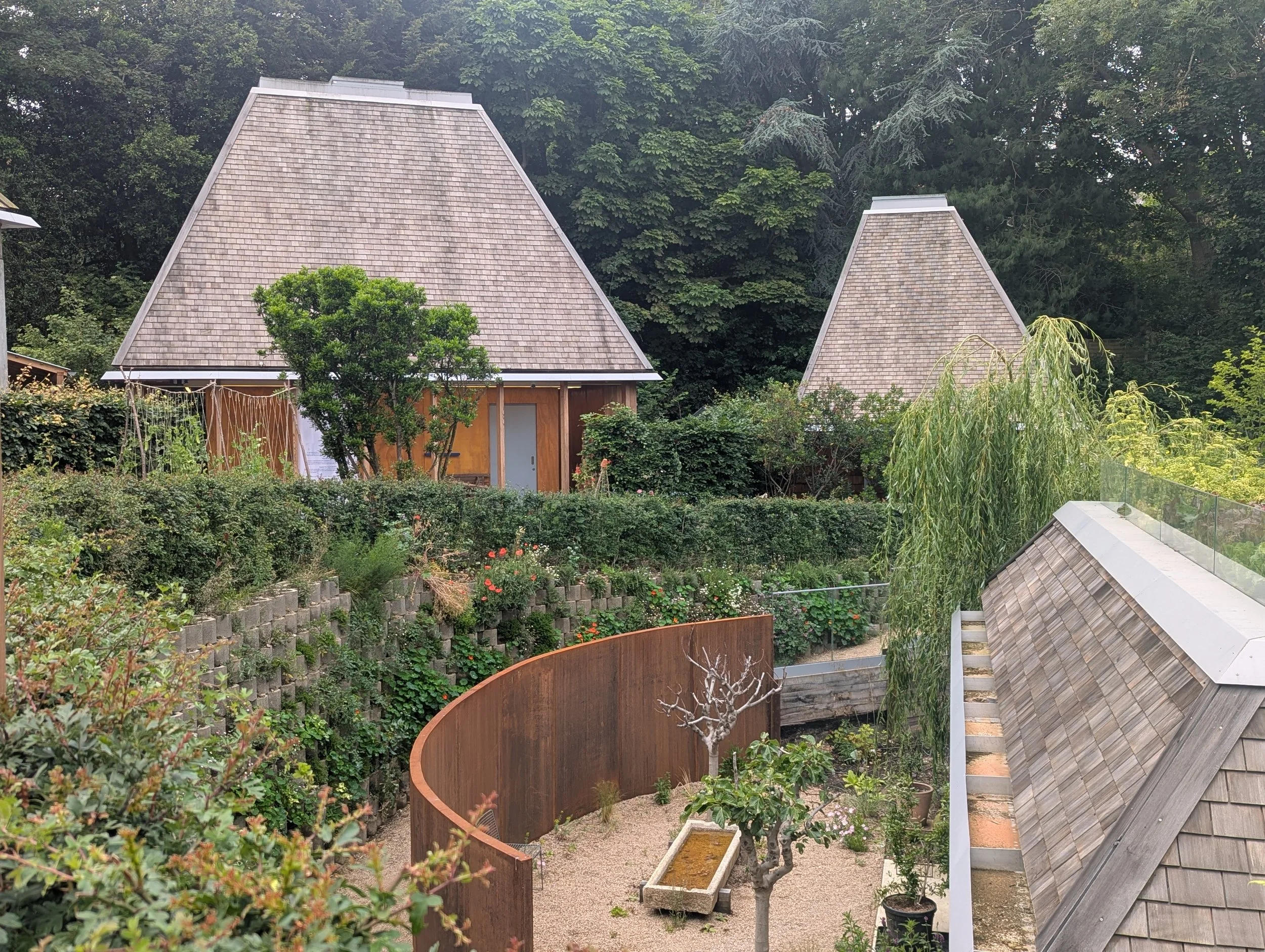
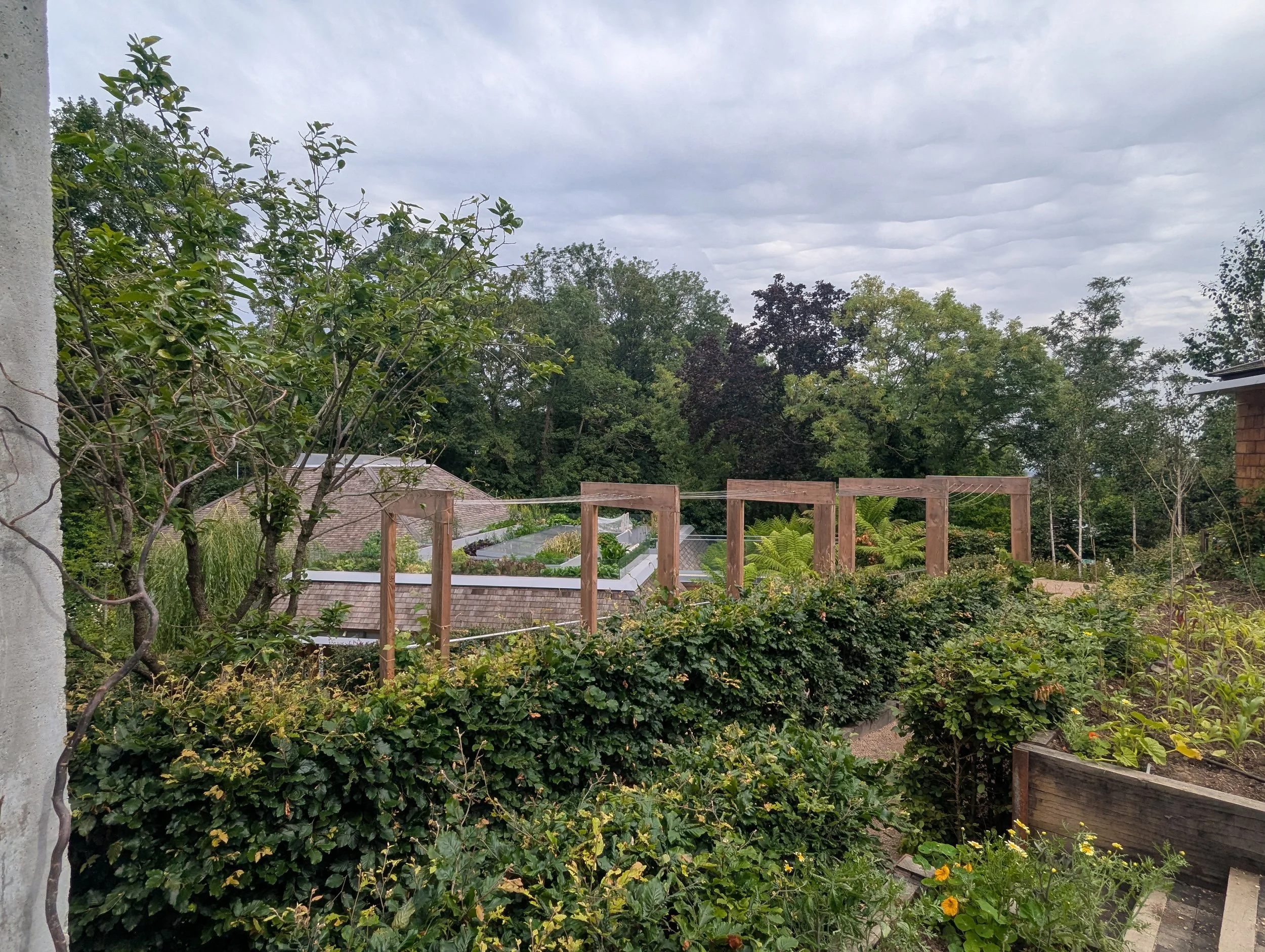
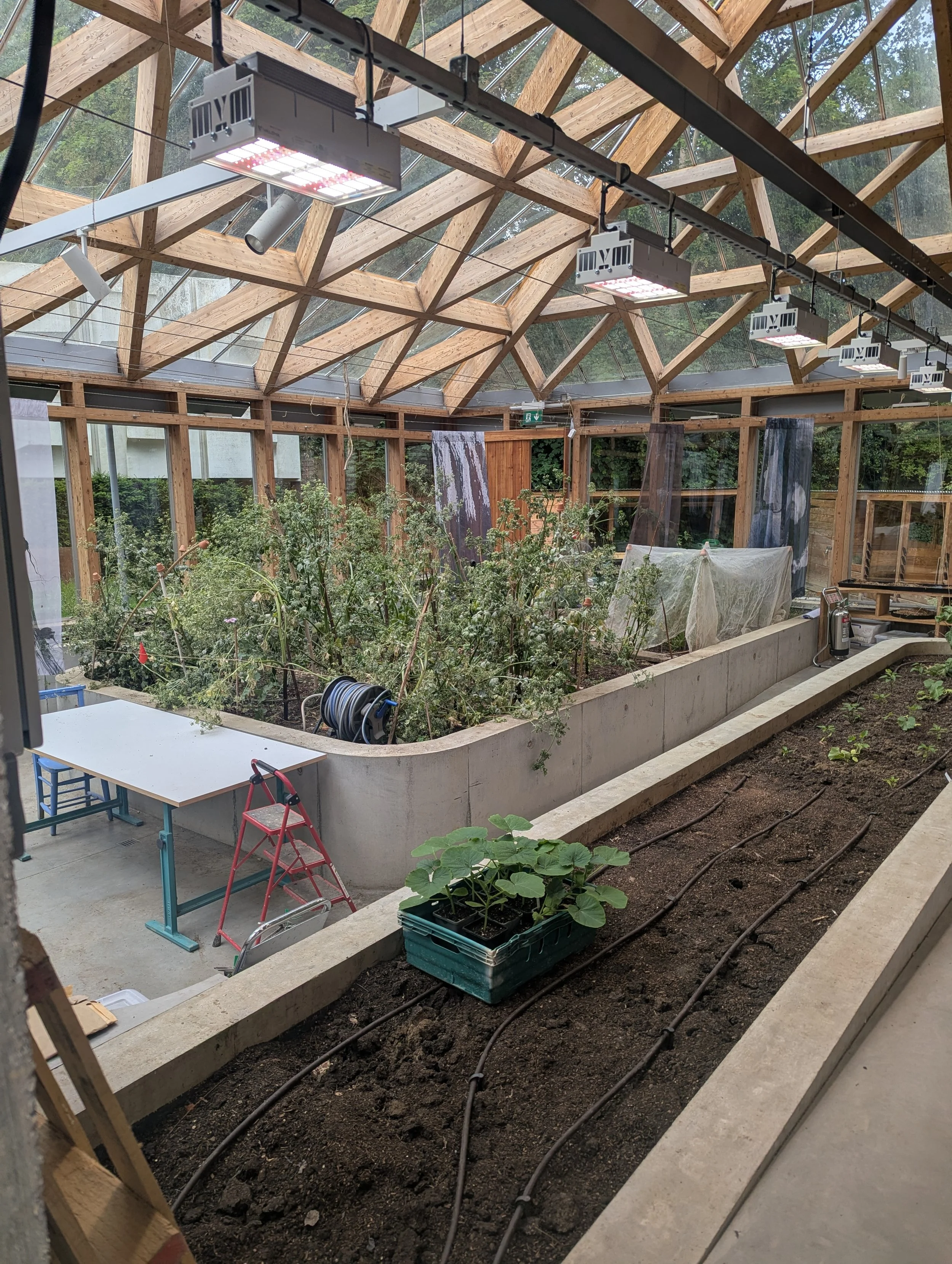
As a venue, Om Ved Gardens wholeheartedly reflects the aims of the annual Chefs’Manifesto gathering in London. This global initiative grew out of and is propelled by The SDG2 Advocacy Hub , which coordinates global campaigning and advocacy to achieve Sustainable Development Goal (SDG) 2: to end hunger, achieve food security and improved nutrition, and promote sustainable agriculture by 2030. The Chefs’ Manifesto has gained significant traction, with over 2000+ people from all over the world signed up. Its core aim is to gather and support chefs to play an empowered role in bridging the gap between farm and fork. This vision is underpinned by three key mechanisms:;The Chefs’ Manifesto Action Plan - a toolkit, drafted by Chefs that synthesises the Global Goals into 8 thematic areas and provides simple, clear actions that chefs can do to contribute to the Goals; The Chefs’ Manifesto Network - an online network of engaged chefs from around the world to share best practice, case studies and to collaborate around a calendar of key events; and The Chefs’ Manifesto Action Hubs - event spaces in different locations around the world hosting workshops, events and fostering local action on the Chefs’ Manifesto Action Plan.
More than 120 chefs, growers, business owners, community leaders, educators and change-makers came together for this year’s Action Hub. As I took my seat, I begin to understand the breadth of experience in the room and the shared appetite for this gathering. In front of me, a plant-based chef committed to sharing the health-enhancing properties of a vegetable and legume forward diet. To my right, a social entrepreneur tackling food waste, harnessing discarded avocado skins to create a sustainability conscious brand of unrefined oil.
The mandate guiding the discussions, seemed, in its directness disarmingly simple. How can we, in these uncertain times, create good food for all people and the planet? Of course, the complexity of this question and the solutions required to answer, are far from straightforward. The day began with a global picture before honing in on examples of more localised initiatives and practices. The two are, unquestionably, connected and contingent. Very quickly, the interplay between the micro and macro become hard to untangle. Conversations oscillated between the two, bringing their relationality into full view.
Zooming in from Rome, Dr. Máximo Torero, Chief Economist at the FAO, offered an unflinchingly honest account of the biological, political and nuclear threats that we currently face and the challenges that lie ahead. Amongst them, the disrupted supply chains caused by conflict and climate shocks and the urgency of addressing water shortages and diseases. Despite the gravity of these issues and the pace with which they are exerting negative consequences, Torero reminded us that solutions do not come in the form of magic bullets: they take time. Working towards a more equitable food system requires patience, resilience, and a multi-faceted approach. Transition to organic farming or use of solar panels, for example, requires an extended period of adjustment. Just as soil does not regenerate in a matter of weeks, consumers must also be prepared to shift their expectations of what food is available and when.
Alongside his sharp analysis of cross-cutting issues and data, Torero offered an important reminder of the power of language informing where we are and what is coming. ‘Climate change’, he rightly asserted, is axiomatic. Climate has been and always undergoing a process of perpetual change - it is the unprecedented speed and scale of this change which is the real force we must reckon with. If we have any chance of addressing the global scale of difficulties, we must marshal diversity of ideas, knowledge and practices. This is where our strength lies. For those in the room, actively engaged with an international network of peers already grappling with these practical and existential questions, this was not disconcerting. Rather, Torero’s words and insights landed the call to action loud and clear.
Broadening the base of what we consume informationally, was mirrored in dietician Veronica Moran’s contribution to the first panel discussion. on nutrition. Here, she addressed the importance of widening the variety of foods we consume. A major contributor to the precarity of our current food system is overreliance on too few core food sources. Presently, it is estimated that 75% of what we eat comes from just twelve plants and five animals. With such global reliance on such few commodities, we are exponentially increasing the risk of food insecurity and health inequality.
Likewise, a mere half of the plants humans need to thrive are reaching our plates. Legumes provide one quick win across multiple challenges. Comparatively affordable, nutritionally dense and easy to store, they tackle multiple environmental, social and financial challenges when it comes to eating well - both for people and the planet. We need to think differently.
One approach, Moran suggests, is to view recipes and menus as ecosystems rather than meals eaten in isolation. Our breakfast, lunch and dinner are not three meals eaten in silo. Each one operates within wider systems of food production, distribution and consumption and what happens in our kitchens has ripples effects locally and globally. How we consciously intervene to assert our choices begins with what goes in our shopping baskets, what is stored in our kitchen cupboards and what is put on our plates.
Information driving change underpins the mission of policy and advocacy body The Food Foundation. Set up 11 years ago by MP Laura Jane Sandys, who served for South Thanet between 2010 and 2015, it grew out of her concern for the poor access to food in her constituency. Now led by Anna Taylor, her contribution stressed the meteoric rise in food prices as a primary cause of food poverty. The statistics are sobering, if unsurprising: from 2021 to the end of 2026, food prices are set to have risen by approximately 50%. To put this into context, it took nearly two decades for that doubling of cost to take effect. For the poorest 20% in the UK, this requires allocation of close to three quarters of their disposable income to meet government standards of a ‘healthy diet’. Layered on top of this, is our reliance on imported fruit and vegetables - 85% and 45% respectively - which are often grown in countries prone to climate shocks.
Her talk was ground in one vital question. Amidst these multiple and intersecting challenges, how do we catch those furthest behind? Through a hard-won balance of prioritising short and long term outcomes, she argues, which is increasingly difficult amid political instability and changing priorities. Long-term, legislative frameworks across farming, trade and health are vital for deeper, systemic change. Without a Government-backed, cohesive Food Policy that is bi-partisan, progressive and drives coherence across departments, translating advocacy into policy is difficult. This leaves food systems exposed: with supermarkets commanding the majority of power, to the growing cyber threat, there are too many single points of failure.
Despite the scale of work that needs to be done, Taylor was keen to express the hope she witnesses.These include UK initiatives o combat food poverty such as Healthy Start, which enables pregnant parents and those with young families to access free nutritious food. There is also optimism to be found in shifting public attitudes and ambitions, she believes, evident in the increasing awareness of how human and planetary health are deeply connected. How we grow, consume and distribute food is moving up the agenda. We are living through a time both of jeopardy and opportunity.
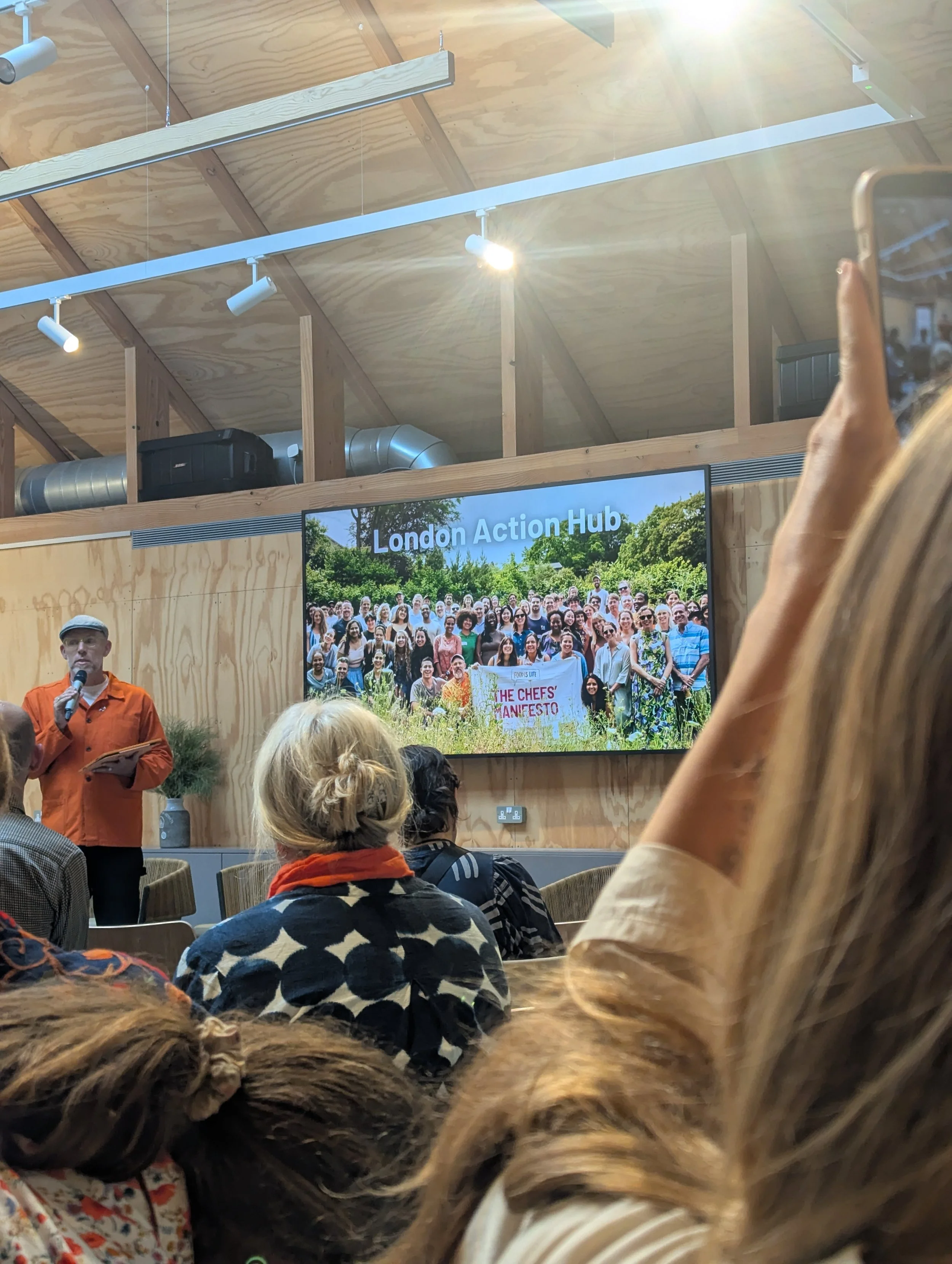
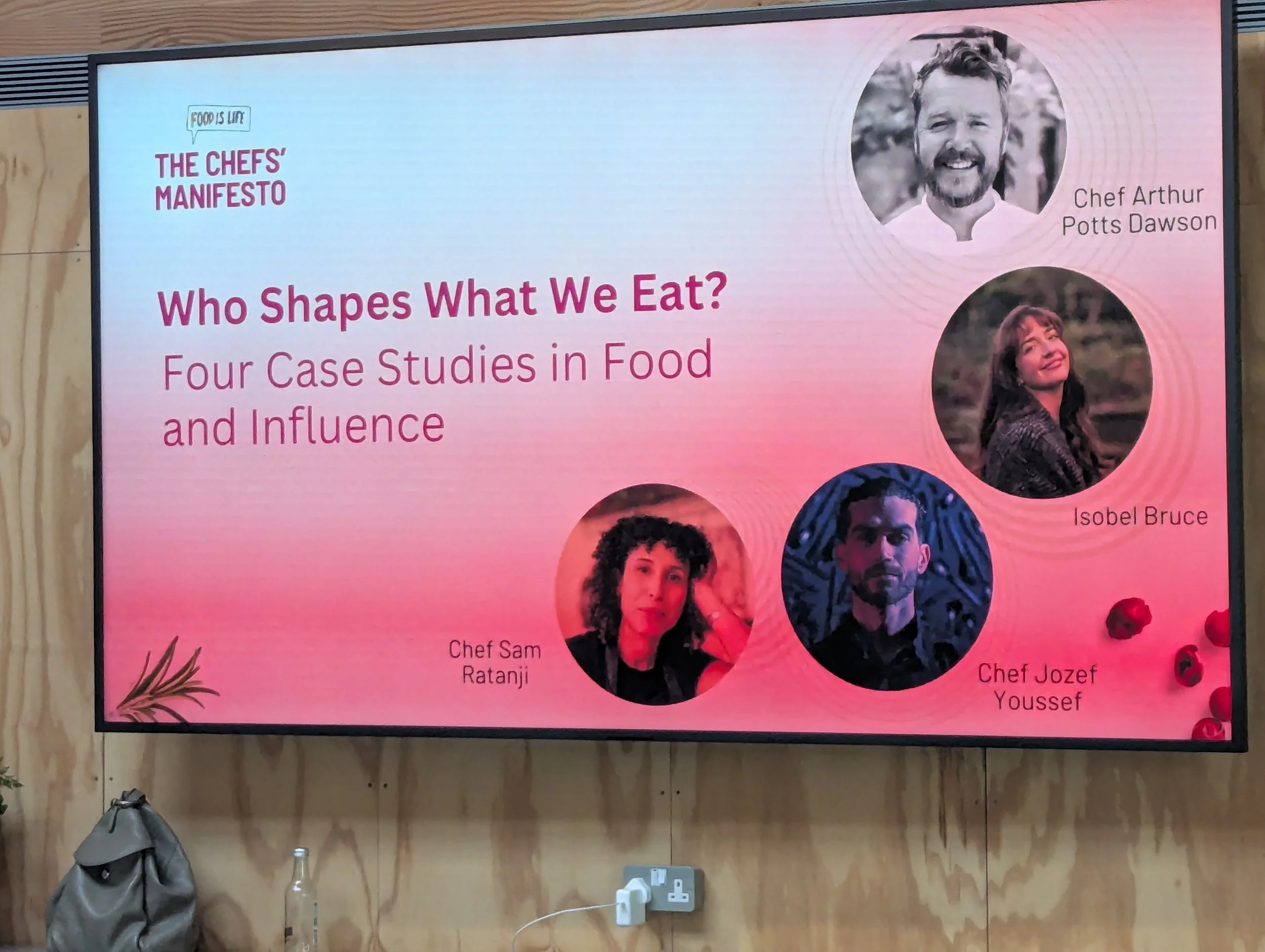
After lunch, the tone and focus of the conversation shifted towards the people and structures that shape what we eat. Chef Arthur Potts Dawson brought his considerable breadth of experience to this paradigm. Having begun his culinary journey as a Roux apprentice and gone onto take the helm at River Cafe, his belief in the power of changing systems from within took him to launching the People's Supermarket before going on to apply his insights with large corporations such as SKY and IKEA, where he could offer his knowledge and skills to enact positive change at remarkable scale. His fast-paced presentation touched on systemic inequalities - and the powers that preside or amplify them - that influence what makes it onto our plates.
For him, farmers are at the centre of the question and the answer. Each and every naturally derived ingredient begins with somebody stewarding land. Put simply, ‘we can’t eat what we don’t grow.’ Chef too are absolutely critical. Interlocutors between farmers and consumers, they not only influence what is grown and what makes it onto menus, but in shaping how we talk about food. They are vital change-makers. This decision-making power comes with responsibility they must leverage. Looking around at stream of the nodding heads, this duty is not only understood but is being actioned.
As the event drew to close and I paused to acknowledge the skills and conviction of all those present, one role connected each and every one of us. When it comes to food, we are all consumers. The conversations had repeatedly returned to the same place: our plates. Every ingredient begins with someone tending soil. Every menu shapes demand. Every meal is a small decision that reaches far beyond the table. What we choose to value still lies between our knife and fork.